
I recently replayed Mass Effect 3 as part of the Legendary Collection, the first time I’ve touched those games in several years. It was fun to pal around with the old squad, though I confess the game wasn’t quite as good as I remembered. While its storytelling flaws are best left for another day (and another article), one aspect I did appreciate is the game’s pacing.
The action-packed missions are followed by generous amounts of downtime, where Shepard can chat with squadmates, buy new gear, and generally putz around. This is fairly common in RPGs, but handled well in Mass Effect 3, providing peaks and valleys of tension. It’s occasionally mixed up with clever results, as with the Cerberus assault on the Citadel.
Pacing as an element of structure (both micro for individual scenes and macro for the whole plot) is an obvious ingredient of an enjoyable story. If Mass Effect 3 was only running around and shooting aliens all the time, it would be a very different (and probably worse) experience. The quieter moments allow us to decompress and appreciate the action when it comes. This is true of story structure in any medium. What’s interesting about games, though, is how there can be mechanical pacing as well. Games allow us to engage with different systems to structure an experience, creating rhythms not only out of story beats but gameplay elements too.
Chief among these for RPGs is the menu.
What’s On the Menu?
One of the oddest looks I’ve ever received from my wife is after I told her I enjoyed Unicorn Overlord so much because it had “good menu time.” It seems, from the perspective of a non-RPG enjoyer, that is a pretty wild thing to say. Video game menus are generally seen by the larger population as a means to an end. For my wife the menu in Stardew Valley is just where her stuff is — the actual game is out in the field. But to me (and my fellow sickos), half the fun of an RPG is spending time messing around in the menus. Equipping items, changing classes, and comparing stats are just as appealing as fighting monsters.
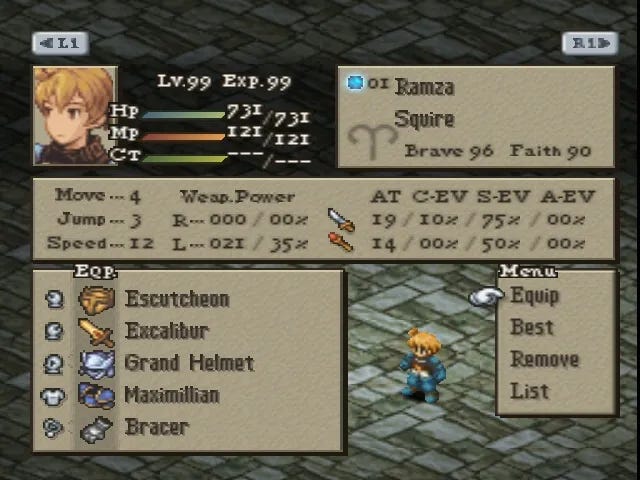
One of the delights of the menu is that it’s a place for proactive work, while other elements of the game, like battles, are at least partially reactive. When in a menu I’m progressing at my own pace and according to my own whims. I can fiddle around, try new things, and change my plans without the harsh realities of the wilds pressing in.
RPGs systems, even the simpler ones, are more compelling beyond the base enjoyment of watching numbers go up. Don’t get me wrong: I enjoy the numbers going up as much as the next rat in a Skinner box. But RPGs are often satisfying due to steady drip of customization, organization, and planning. That all takes place in the menu.
Ye Can Always Go, Ach, Doontoon
There are, of course, games that are all menu time, all the time. Strategy games like Civilization or Stellaris, while awash in systems, are by and large just a series of menus.
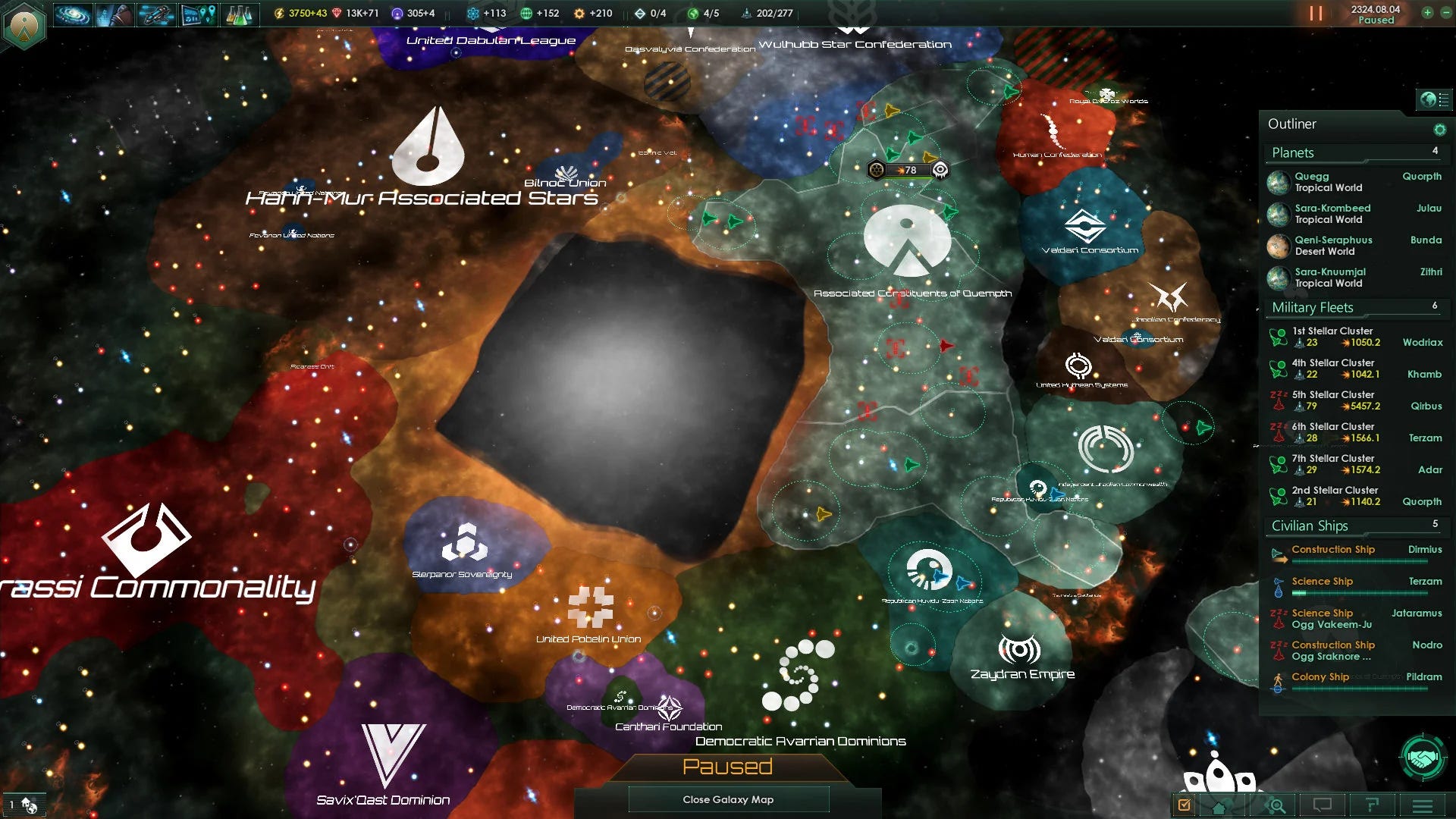
While I love these games (oh boy, do I), I think the “oops, all menus” approach is a different experience than what I’m trying to articulate. Those games tend to have minimal storytelling, their narratives more about emergent play.
RPGs will have both more traditional stories and systems that contrast to help structure its narrative. That mechanical contrast is the heart of the appeal. The RPG menu is the downtime of the mechanics to go along with the downtime of the story. As I said before, stories will often structure their pacing with moments of tension followed by ones of release, or at least calm. Even Shakespeare pauses for scenes of jokes during his tragedies. This respite allows us to process the previous tension and any important revelations, while also building anticipation for the next moment of tension or action.
Games do the same thing with mechanics. A common one in action adventure games like Zelda titles or God of War is to balance combat with puzzles or traversal, but I don’t feel that’s as effective as a good RPG menu. The menu connects us to the game still by presenting systems that are informing future work. As we equip a new sword, we get the pleasurable fizz of anticipation of what a future battle will be like. Plus, the more stark mechanical contrast fits this role better. My downtime in God of War still consists of controlling Kratos. I’m just doing so to push blocks instead of swinging the blades of chaos. But RPG downtime instead consist of menus, with different presentation and controls. Using this as downtimes allows the other systems like puzzles to fill their roles of building tension or rewarding curiosity.
I think it’s telling how games sometimes couple menus with a distinct, safe location. Many games have menus that are only accessible outside of battle or in distinct game phases. But some games reinforce the metaphor of menu as storytelling downtime by having it take place in a physical location. This frames the menu as downtime for the characters. As the player rests their mind by organizing items or leveling up, the characters are resting in story by hanging out in the party camp of Baldur’s Gate 3 or the famous bonfire of Dark Souls.
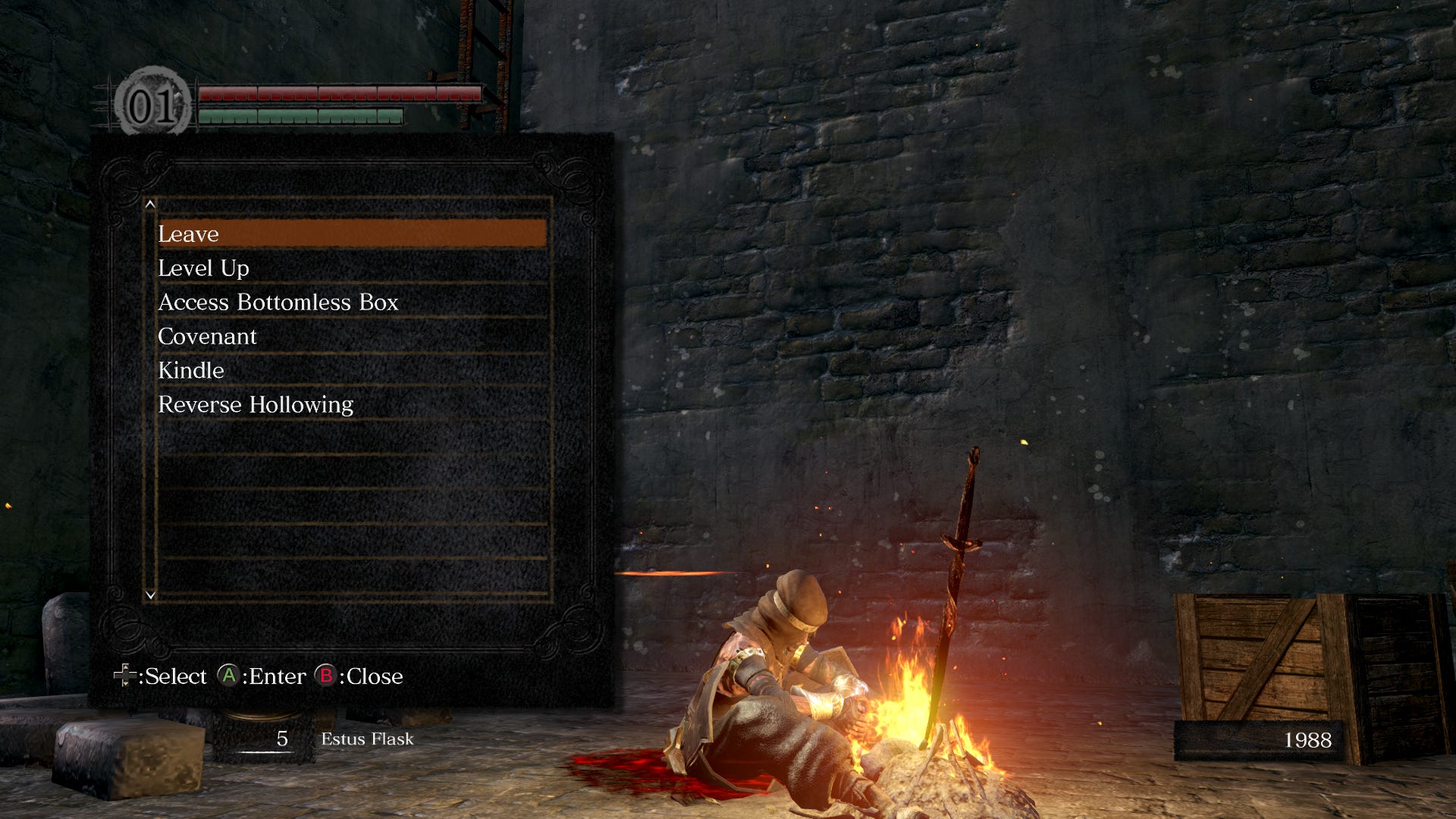
Menus structure stories by presenting safe zones of planning and mechanical contrast that mimic the pacing of the plot. We rest as our characters do, and thereby are more in tune with the adventure.
Too Much of a Good Thing
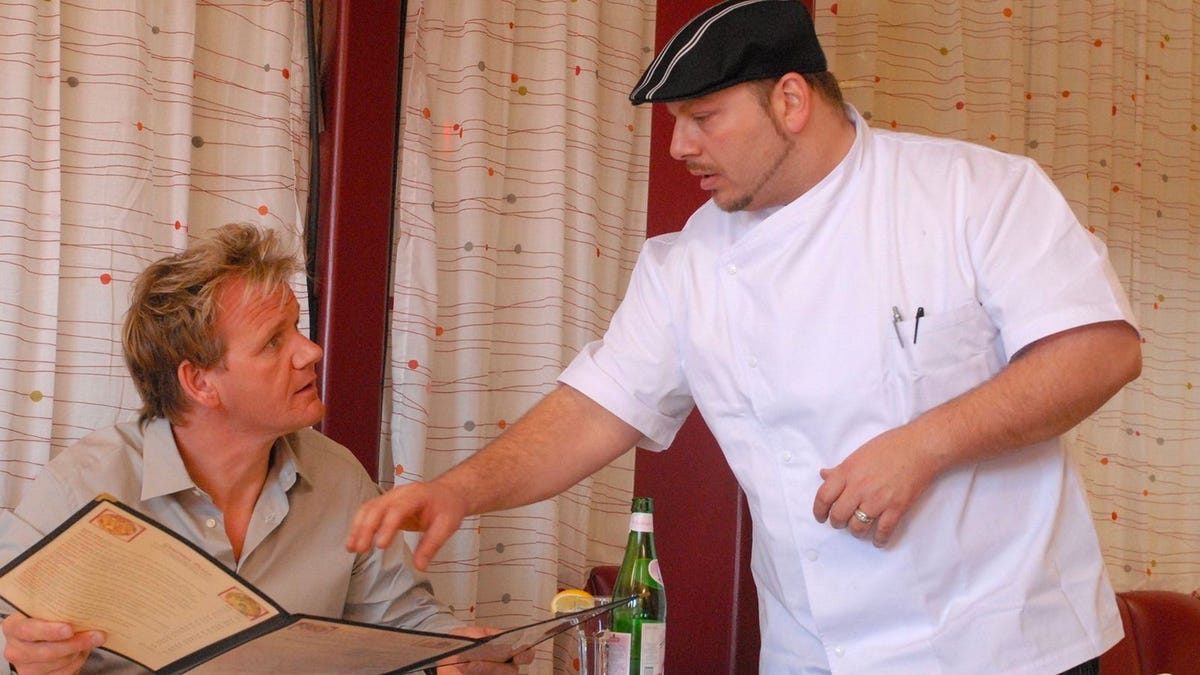
But story structure is a delicate balancing act. Some games disrupt this by giving us too much menu time, veering closer the all-menu approach of strategy games that throws off the rhythm of the RPG story. I’ve seen enough episodes of Kitchen Nightmares to know there are serious issues when a menu is too large.
Tactics RPGs can often suffer from this. While they are truly excellent games, the most notable offenders for this are Ogre Battle and Unicorn Overlord. Those games are at the extreme edge of the menu time ratio while still remaining RPGs. The issue isn’t with the autobattler aspects, but rather how unbalanced the menu time is when compared with the rest of the game. When most of the time is downtime, there isn’t a proper rhythm. The story feels slow and sloggy because the gaps between actual events are too long.
Another concern is how too much menu time ends up prioritizing downtime as the site of mastery and play. If there are too many options available outside of the core gameplay (i.e., too much stuff available to fiddle with in the menu), becoming good at moving things around in the menu can trivialize the battles themselves. It’s incredibly fun to plan teams in Ogre Battle, but sufficient skill turns the actual fights into a foregone conclusion.
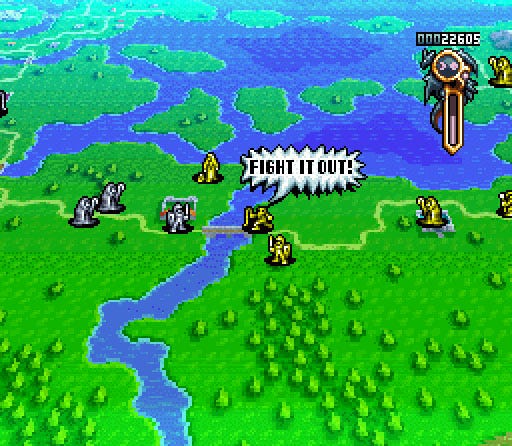
Batman is always prattling on on about how victory lies in preparation, but there isn’t much fun in experiencing that time and time again. A one sided beatdown can be satisfying on both a mechanical and storytelling level once in a while, but the story of someone who constantly wins without much effort has no tension. When there is no tension, there is nothing to release and no need for contrast. So in these cases, what need do we have of menus for pacing purposes?
Again, I love both these titles, but it’s interesting to see how they fail on this particular point, and how that drags down the storytelling as a whole. While the plot of Unicorn Overlord is without question a bit generic — especially compared to 13 Sentinels, Vanillaware’s previous title — the wonky mechanical rhythm makes the story feel off, for lack of a better term. Its disconnected and discordant, with battle stages becoming purely levels rather than points on a journey. Worse, battles become simply sites of validation for the experimentation found in the menu. While that’s satisfying in its own way, it doesn’t mesh with the plot. The story feels like it’s happening to someone else, rather than the characters we’re controlling, as the real player experience is all menu.
Games, like any medium, enrich as their elements cohere. This doesn’t always have to be in service of story, but a purely mechanical element, like a menu in Stellaris, can be reframed as a storytelling device in another title. It’s not as simple as gameplay elements happening alongside plot, but how the moment-to-moment player experience is the means of taking in a story, and how each part of that experience can connect us with characters and a world.
In the meantime, if you need me I’ll be buried in the menus.
Recommended Reads, Etc.
My lovely wife (read her books substack!) recently bought me a present: Of Ghosts and Goblins by Lafcadio Hearn. Republished in a beautiful little hardcover, Hearn’s collection is essays and translations of Japanese folktales, often interwoven with asides and commentary. There’s much more to this than meets the eye at first. I think the tone of the stories are often more suited to an early winter than Halloween, so it’s still seasonal.
I was initially disappointed with it, but after nearly a year of updates I’m coming around to Civilization VII. What helped was deciding to meet it on its own terms, and without the weight of expectations I’ve found quite a lot of fun in the different groove it presents. It feels much more like a board game than previous entries, but in doing so it fills a niche, especially compared to grand strategy titles. While it hasn’t reached the highs of Civ V, VII definitely has its strengths.
I Am Your Beast was too hard for me (I tapped out less than halfway through), but I enjoyed the rollicking mix of low-poly presentation, spy thriller story, and short, chaotic levels. The speedrun-esque flow state of replaying levels (similar to Neon White) isn’t my usual cup of tea, but I definitely saw the appeal with this title.
Speaking of spy thrillers, Rogue Male by Geoffrey Household is an interesting entry into the genre. Published in 1939, it’s about a man pursued by Nazi agents across the English countryside. Oddly sedate and veering into nature writing at times, it beautifully illustrates the solitude of the fugitive.
Hazel has a delightful youtube channel that explores the odd and (forgive the overused adjective) cozy corners of older anime and games. I particularly enjoyed her favourite places in Pokemon.
Next Time
I have Mass Effect on the brain, but I promise I won’t be relitigating that decade-old debate about the ending. I’ll instead be examining how the storytelling flaws in that trilogy spring from the clash of two genres: science fiction trappings bumping up against action RPG expectations.
I share your love of what menus represent, in terms of gameplay - relaxed decision-making, theorycrafting, experimentation, exploration of the game's strategic space, etc. However, I have to confess that the actual gamefeel of jrpg menus is my least favorite aspect of those games. Using controller buttons to cycle through tabs, drilling down into nested submenus, toggling over to select items, toggling back to move them somewhere. Feels like a million laborious clicks to do simple tasks, many of which need to be done over and over and over again. It's like using a remote control to type on a TV, it never becomes fluid or intuitive or skillful for me. I just hate it.